 Thanks to social media, there are no secrets. For the past six months, as I’ve been trying to sell one house and buy another, I’ve been barraged by a steady stream of posts about how to find a real estate agent and how to price your house right and when to plant shrubs and whether dual handle faucets are better than single handle faucets and a whole lot of other stuff. Prevalent in these posts is how to decorate the new house in order to make it the home of your dreams.
A big part of that starts with what color to paint the walls.
There’s a term I just learned called “color drenching,” which means painting walls, trim, ceilings, doors and even radiators (for those who have them) the same color. Some decorators who drench are willing to go a little lighter or darker in some spots, but the overall color scheme is monochromatic. I’m not talking white paint here, which I think doesn’t even exist. (If you don’t believe me, go to any paint store and try to buy a can of white. There are dozens of choices. Maybe hundreds.) Most drenchers seem to prefer deep, moody, rich colors, though any color will do.
Related to how to make a house a home is a practice called “house burping.” Who knew that something that’s been part of my life for as long as I can remember is suddenly trendy? I’ve always just called it “opening the windows,” but this is a little different.
Based on the German practice “Luften,” house burping requires the full opening of all windows—sometimes referred to as “shock ventilation”—first thing in the morning and last thing at night. Whatever the season, whatever the temperature, a swift cross breeze for just five or ten minutes is believed to boost health, improve sleep quality and reduce airborne contaminants. Just cracking the windows won’t do. You have to tear open the shutters and throw up the sash, so to speak.
To those who contend that doing such things can let in not only pollen and smoke but also–in winter–extremely cold air, the proponents of house burping say do it anyway.
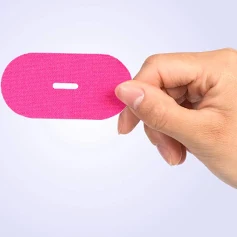
Another intriguing new term, unrelated to a healthy, happy home, is “mouth taping.” This doesn’t mean swiping your fingers across your lips to signal that you’re not going to verbally respond to a stupid remark. Mouth taping is a real practice that involves placing specialized adhesive tape over your lips before sleep to encourage nasal breathing, reduce drooling and snoring and prevent dry mouth. Proponents swear it does all these things.
Critics, on the other hand, warn that it’s a gimmick that could be dangerous. Mouth taping is a no-no for those with nasal obstructions, allergies or sleep apnea. It can cause skin irritation, soreness around the mouth and extreme anxiety over the ability to breathe. Experts advise trying it for a few minutes while you’re still fully awake before getting in bed with your mouth taped shut.
And speaking of getting in bed, I recently learned there’s an actual thing called “bed rotting.” Not surprisingly, it rose to fame on Tik Tok among the generation that loves Tik Tok. Bed rotting refers to the practice of voluntarily spending many hours a day in bed while awake. Some folks who bed rot watch TV or play video games. Others have their eyes glued to a phone, tablet or laptop. Rotters often neglect hygiene and housekeeping. Bed rotting can lead to disrupted sleep patterns, increased fatigue, social withdrawal and–in extreme cases—job loss or being kicked out of school.
The good news is that there’s a quick and easy solution for anyone who’s tempted to bed rot. Color drench your bedroom in sunshine yellow. Burp your windows. Then rip off your mouth tape.
You’ll likely be up and at it in no time.
(March 7, 2026)